My journey into the world of engagement ring customs began quite organically. When my partner and I started thinking about our own rings, I realized how little I knew about traditions beyond what I saw in movies or within my immediate circle. What started as a simple search for "the perfect ring" quickly turned into a fascinating exploration of how different cultures celebrate love and commitment through jewelry. It's been an eye-opening experience, revealing a rich tapestry of beliefs, preferences, and beautiful variations across the globe.
For my own engagement, I chose a simple, elegant 18k white gold band. It's a ticker band, not overly flashy, which felt right for my personal style and our approach to commitment. For him, we picked a wedding band style ring, reflecting a more modern, shared sentiment. As we made these choices, I couldn't help but wonder: how do others do it? Is there a "right" way? Are our choices typical, or are they unique to our background?
This curiosity led me down a path of discovery. I started talking to friends from different backgrounds, reading up on cultural norms, and observing trends. I quickly learned that there's no single universal tradition. What's considered "normal" in one place can be completely different in another, from the type of metal to the size of the stone, or even whether a ring is involved at all!
Through my research and conversations, I uncovered several truly captivating insights into global jewelry traditions. Each discovery broadened my perspective and deepened my appreciation for the personal and cultural significance of these symbols of love.
One of the most striking observations I made concerned Japanese clients. I learned that while they often choose smaller diamonds for their engagement rings, their focus is overwhelmingly on the highest possible quality. We're talking about diamonds with impeccable clarity, cut, and color – the kind that truly sparkle with an inner fire, regardless of their size. This emphasis on perfection, even in a more subtle package, really resonated with me. It speaks to a value system where intrinsic quality and lasting beauty are prioritized over outward display, suggesting a deep appreciation for craftsmanship and enduring value.
This discovery challenged my preconceived notions, which were perhaps influenced by a Western tendency to equate size with value. It showed me that true elegance often lies in the details and the inherent quality of a piece, rather than just its visual impact. For couples considering their options, this offers a valuable lesson: sometimes, a smaller, perfectly cut stone can be far more meaningful and beautiful than a larger one of lesser quality.
Another fascinating tradition I encountered was in a culture where engagement rings aren't traditionally part of the ceremony. Instead, the groom presents a beautiful traditional necklace directly on the wedding day. I found this incredibly touching and symbolic. It offers a different kind of adornment, often passed down through generations or chosen with immense personal significance, making it a powerful heirloom.
What's even more interesting is how this tradition is evolving. While the necklace remains central, I've noticed a growing trend where couples are now exchanging rings during the reception party. This blend of old and new traditions truly highlights how customs adapt over time, incorporating global influences while still honoring their roots.
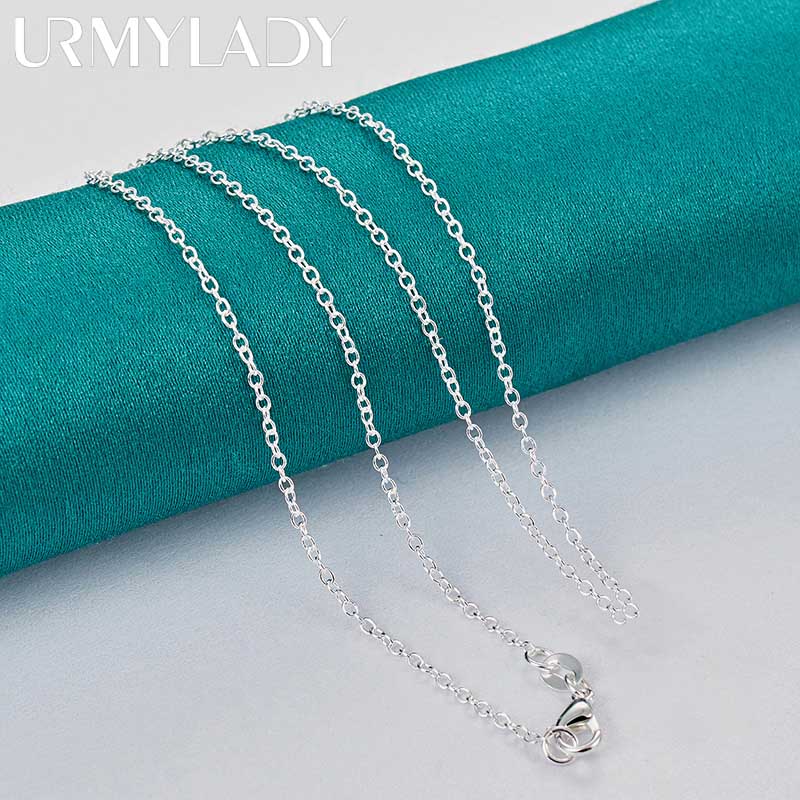
For those looking to embrace such a beautiful alternative or add an extra layer of meaning to their wedding day, I've seen some truly exquisite pieces that fit this evolving trend. For example, I came across the URMYLADY 925 Sterling Silver Hollow Leaf Pendant Necklace. Its delicate design and sterling silver quality make it perfect for a wedding party or as a meaningful gift, reflecting both tradition and modern elegance. It’s a versatile piece that could easily complement a traditional outfit or add a touch of sophistication to a contemporary look. The available lengths, from 16 to 30 inches, mean it can be styled in so many ways to suit individual preferences, making it a truly personal choice for such a significant occasion.
The intricate hollow leaf design itself carries a subtle symbolism of growth and nature, which can be a wonderful metaphor for a blossoming relationship. Whether worn as the primary symbol of commitment or as an accompanying piece, a necklace like this offers a unique and personal touch to any celebration of love. It reminds us that jewelry choices are deeply personal and can beautifully reflect a couple's unique story and cultural background.
I also learned about a unique practice in Southeast Asia regarding ring placement. Here, it’s common for the engagement ring to be worn on the right hand. Then, once the couple is officially married, the engagement ring can join the wedding band on the left hand. This subtle shift in placement holds significant cultural meaning, marking the transition from engaged to married status. It’s a beautiful way to symbolize the journey of commitment and the joining of two lives.
This tradition made me think about the symbolic "vein of love" that some cultures associate with the left ring finger, believed to connect directly to the heart. The Southeast Asian approach adds another layer to this, suggesting a gradual progression and integration of symbols as a relationship deepens. It’s a thoughtful custom that gives distinct meaning to each stage of the marital journey.